
With electric vehicles gaining extensive adoption across commercial transportation, fleet management and industrial scenarios, battery performance stands as a core determinant of overall vehicle reliability; yet numerous purchasers encounter a string of prevalent pain points in EV selection, including rapid battery capacity attenuation under high-temperature environments, fluctuating driving mileage during long-haul travel, degraded charging rates, shortened battery service life triggered by overheating, as well as declined vehicle dynamic output under heavy-load working conditions, and all these defects are closely tied to the regulation of battery temperature. In this context, the Battery Thermal Management System (BTMS) regulates heating and cooling functions to keep battery packs operating inside their ideal temperature brackets, making the proper selection of such systems particularly critical for long-running commercial electric vehicles to elevate operational safety, energy utilization efficiency and the service longevity of power batteries.
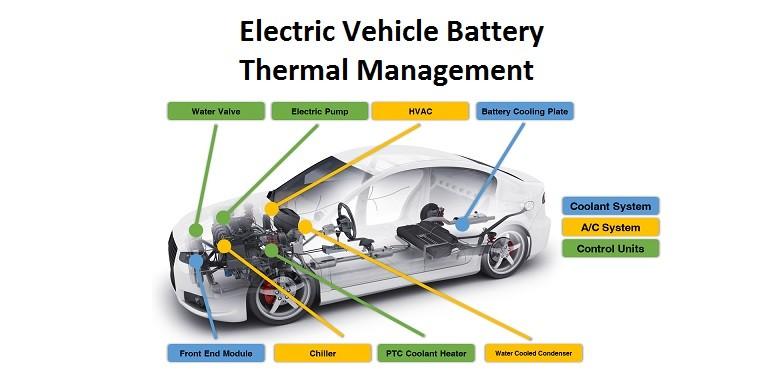
A battery thermal management system is a technology designed to regulate the temperature of electric vehicle batteries.
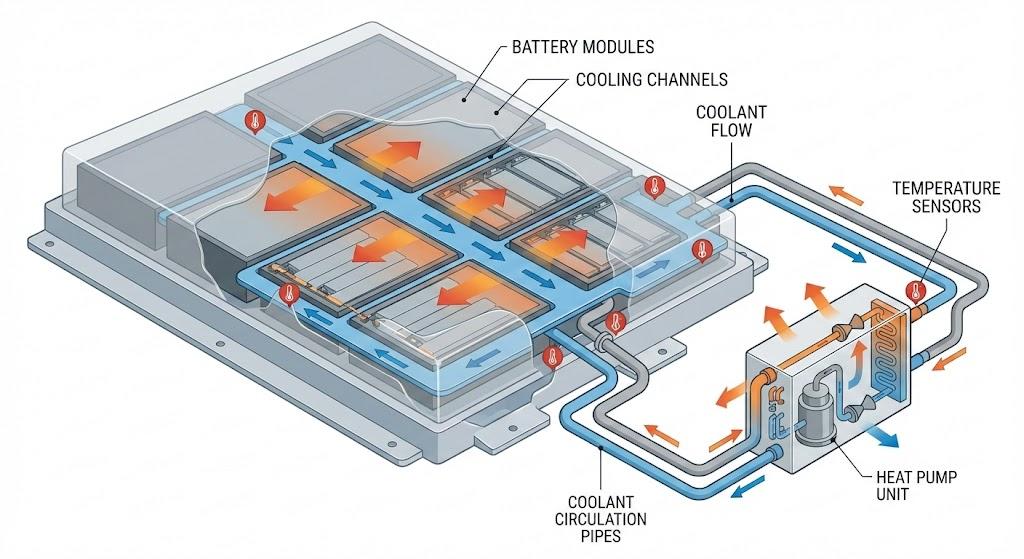
Lithium batteries produce heat in the course of operation stemming from internal chemical reactions and electric current flow, and excessively high or low battery temperatures will negatively impact battery charging efficiency, actual driving range, the rate of battery ageing degradation and overall vehicle safety; a standard battery cooling system is composed of cooling devices, fans or compressors, temperature sensors, control modules and heat exchange parts, which works to constantly monitor real-time battery temperature values and dynamically adjust cooling output automatically. Accordingly, a robust battery thermal management system is indispensable for electric commercial vehicles to sustain steady running status even amid harsh and extreme weather environments.

When purchasing a battery thermal management system, customers should consider several important factors, including battery type, vehicle application, climate conditions, and cooling requirements.
The first factor to consider is the battery pack capacity. Different electric vehicles use different battery sizes. A larger battery usually produces more heat during operation and requires stronger cooling capability.
For example:
When selecting a battery thermal management system, customers should check:
Choosing a system with insufficient cooling capacity may cause overheating, while an oversized system can increase unnecessary cost and energy consumption.
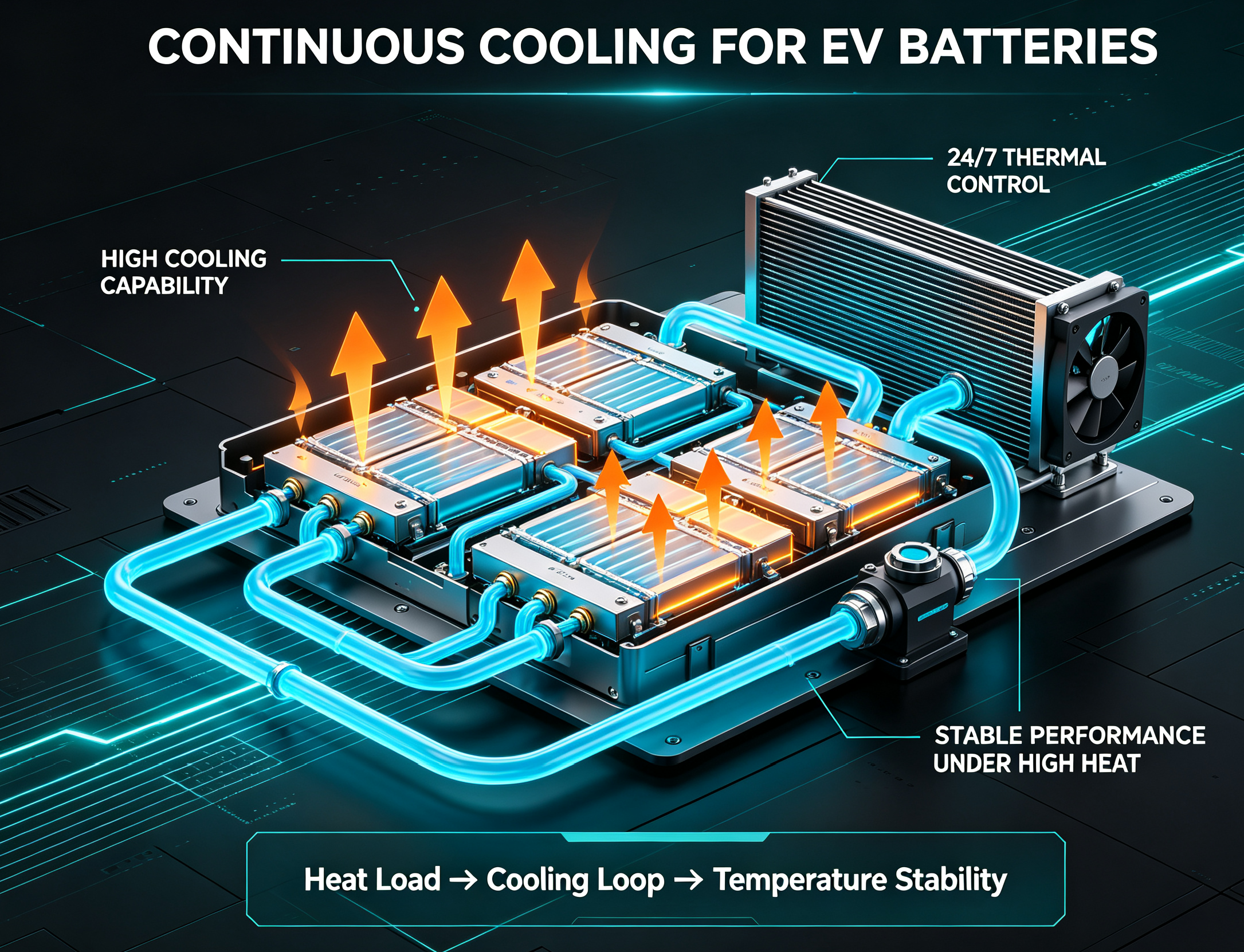
Climate conditions have a direct impact on battery performance.
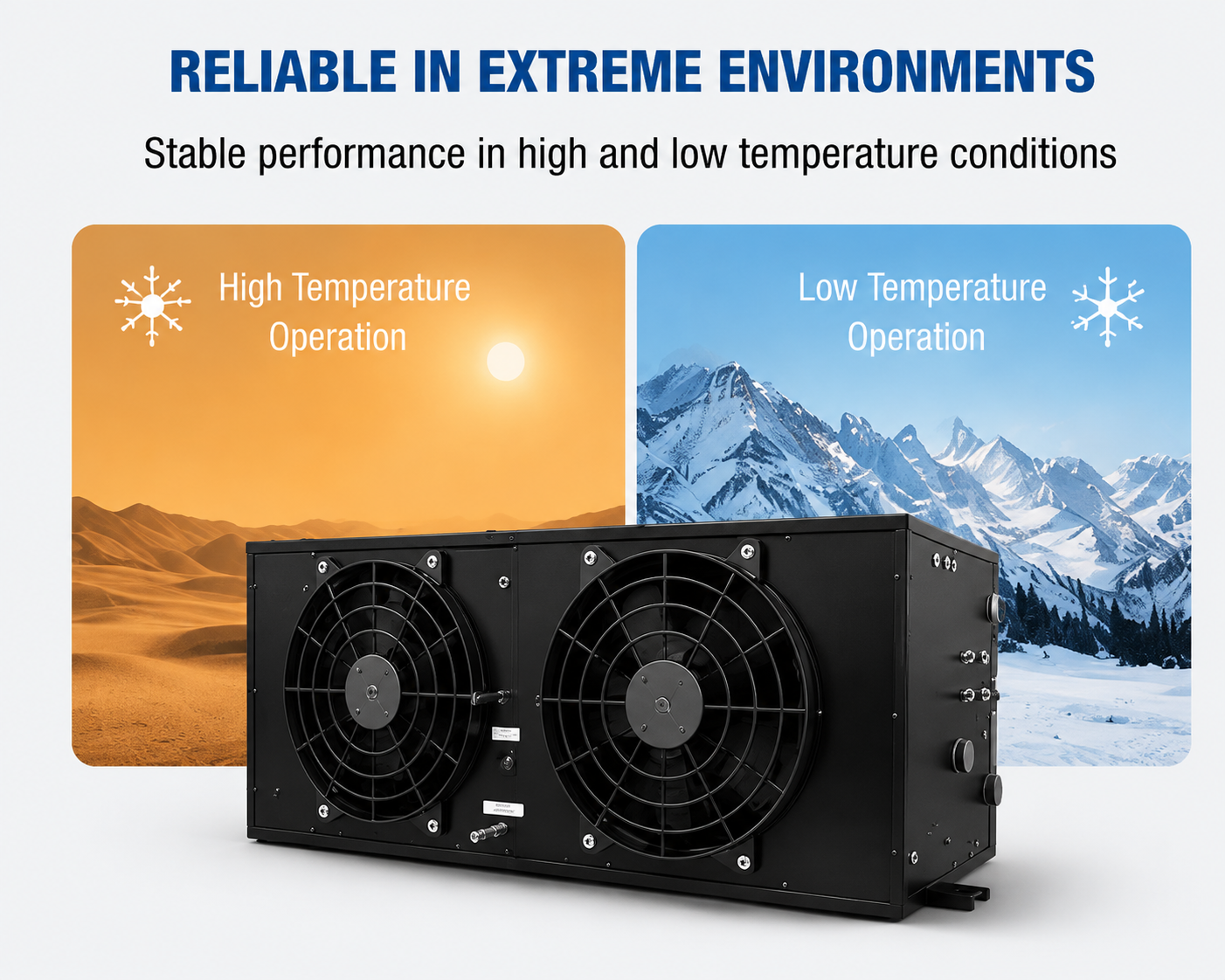
In countries with high temperatures, such as Africa, Southeast Asia, and the Middle East, battery overheating is a common problem.
A suitable battery cooling system should provide:
Strong heat dissipation abilityIn cold environments, batteries may lose charging efficiency and available capacity.
Some advanced battery thermal management systems provide heating functions to maintain battery temperature.
Therefore, customers should select a system based on their operating environment.
Battery lifespan is one of the biggest concerns for electric vehicle buyers.Lithium batteries perform best within a specific temperature range. Excessive heat accelerates battery aging, while extremely low temperatures reduce battery efficiency.
A battery thermal management system helps by:
For businesses operating electric vehicle fleets, better battery protection means:
A good battery cooling system should not only provide cooling performance but also maintain high energy efficiency.
Customers should evaluate:
An inefficient cooling system may consume too much electricity and reduce vehicle range.
For commercial electric vehicles, an energy-efficient battery thermal management system helps reduce operating costs.
⑤Select the Battery Thermal Management System According to Application Scenarios
Different applications require different thermal management solutions.
Delivery vehicles often operate for many hours every day.
Passenger vehicles focus more on:
Fleet operators need:
Choosing the correct battery thermal management system according to the application can improve overall vehicle performance.Battery Thermal Management System: Key Specifications Buyers Should Check
Before purchasing, customers should compare the following specifications:
| Specification | Why It Matters |
|---|---|
| Cooling capacity |
|
| Voltage compatibility |
|
| Operating temperature range |
|
| Power consumption |
|
| Noise level |
|
| Installation method | influences maintenance difficulty |
Before making a purchase decision, customers should provide:
Based on these details, suppliers can recommend the most suitable battery cooling solution.
5、Why Choose Our Battery Thermal Management System?Our battery thermal management system is designed for electric vehicle applications that require reliable battery cooling performance.
Key advantages include:
The system provides stable cooling to help maintain battery temperature during long-term operation.
Suitable for:
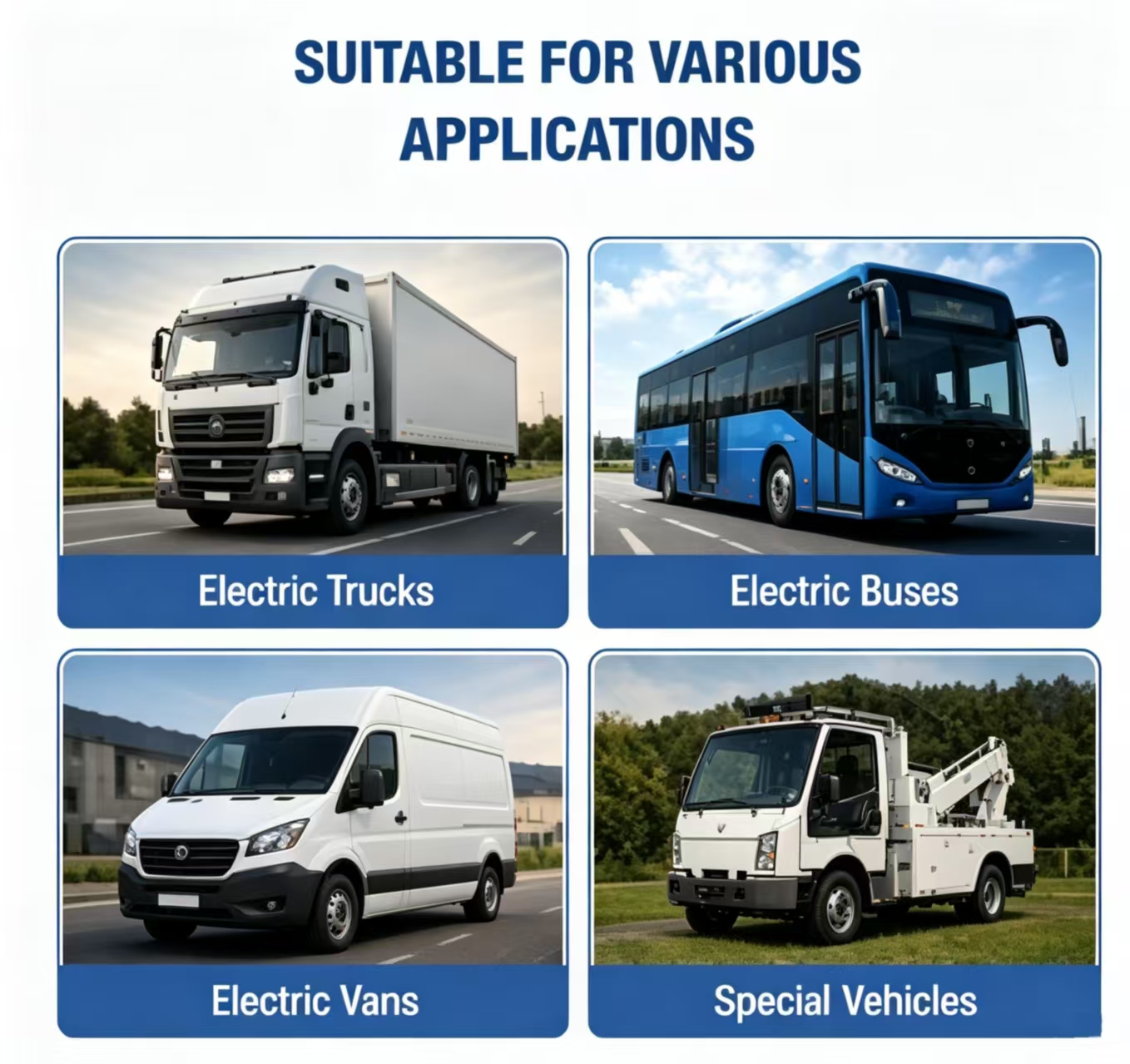
The system is developed to support electric vehicles operating in different climate conditions, helping maintain consistent battery performance.
The compact design allows easier integration into electric vehicle systems and reduces maintenance complexity.
Choosing the right Battery Thermal Management System is an important decision for electric vehicle manufacturers, fleet operators, and commercial vehicle users.
A suitable battery cooling system can solve common problems such as overheating, reduced battery life, and unstable vehicle performance.
FAQ About Battery Thermal Management System
A battery thermal management system controls battery temperature through cooling and heating technologies to maintain optimal battery performance and safety.



.jpg)
.jpg)